Your Ultimate Guide to Getting Started with an eSIM Card
Tired of fumbling with tiny plastic SIM cards or paying exorbitant roaming fees when you travel? An eSIM is a fully digital, built-in chip that lets you activate a cellular plan instantly—no physical card required. You switch networks, add a local data plan, or manage multiple lines right from your phone’s settings. Simply scan a QR code or download an app, and your device is ready to connect.
What Is an Embedded SIM and How It Works
An embedded SIM, or eSIM, is a tiny chip permanently soldered inside your phone or smartwatch, unlike a physical card you pop in. It works by storing your carrier profile remotely, letting you download and switch plans via software. Q: How do I activate it? A: You scan a QR code from your carrier or use their app, and the profile gets written directly to the chip. You can store multiple profiles and jump between them without swapping trays—perfect for travel or testing new providers.
Defining the Digital SIM vs. Physical SIM
A digital SIM (eSIM) is a rewritable chip soldered onto a device’s motherboard, storing carrier profiles electronically. A physical SIM is a removable plastic card with an embedded chip. Unlike a physical card, an eSIM cannot be physically removed or swapped between devices; instead, you download a new profile over the air to switch carriers. This eliminates needing to insert, eject, or store tiny cards, but also means your device is permanently locked to the eSIM hardware.
- eSIM profiles are stored digitally; physical SIMs contain a single, fixed identity.
- Switching eSIM carriers requires a software activation; physical SIMs are swapped by hand.
- An eSIM is embedded and non-removable; a physical SIM can be transferred between compatible devices.
The Core Technology Behind Remote Provisioning
Remote provisioning relies on a secure element within the eSIM that stores operator credentials. The Subscription Manager Data Preparation (SM-DP+) platform encrypts and pushes a profile package over-the-air to this element. Your device downloads this encrypted file, and the eSIM uses a private key to decrypt and install the profile, activating the network without a physical swap. This cryptographic handshake ensures the operator profile remains tamper-proof during the entire transfer process, giving you instant, secure access to a new line.
How Devices Authenticate Without a Plastic Chip
When an eSIM activates, authentication bypasses the physical chip entirely. The device securely downloads a digital profile containing an eSIM authentication credential to a tamper-resistant embedded secure element. During network access, the device performs a cryptographic challenge-response using the stored private key, matching it against the carrier’s authentication center without swapping any plastic chip. This process relies on the same GSM/3GPP algorithms as a physical SIM, but executed solely in software and hardware isolation.
Devices authenticate by performing a cryptographic handshake between the embedded secure element and the carrier network, using a digitally stored profile instead of a removable plastic chip.
Top Reasons Travelers Are Switching to Virtual SIMs
Travelers are switching to virtual SIMs for the instant, logistics-free connectivity an eSIM card provides. You can activate a local data plan before your flight lands, avoiding the hunt for physical SIM vendors or the risk of losing your primary SIM card. With an eSIM, you maintain your home number for two-factor authentication while running a separate local data line for maps and rideshares.
This eliminates the need to swap tiny plastic cards or handle fragile ejector tools in a foreign airport.
The convenience of switching between multiple regional plans directly from your phone settings, without visiting a store, makes virtual SIMs the practical choice for modern travel.
Eliminating Roaming Fees Abroad
Eliminating roaming fees abroad is the primary driver for switching to an eSIM. Traditional roaming charges add unexpected daily costs per megabyte, but an eSIM allows you to purchase a local or regional data plan before departure. This directly replaces your home carrier’s expensive per-kilobyte billing with a single, fixed-rate package. You avoid the “bill shock” entirely by disconnecting your primary SIM’s data roaming and using only the eSIM’s data profile. The result is zero added surcharges for international connectivity, as you pay only the flat fee for your eSIM plan.
An eSIM removes roaming fees by enabling fixed-price local data plans, eliminating unpredictable daily surcharges from your home carrier.
Instant Activation in Over 100 Countries
Instant activation across over 100 countries eliminates the logistical bottleneck of sourcing a local SIM upon arrival. Travelers purchase and install an eSIM profile before departure, enabling connectivity the moment they land without queuing at kiosks or navigating foreign retailer stores. This process relies on pre-negotiated roaming agreements, which provide immediate network access upon device detection. For frequent travelers, this means seamless connectivity in multiple destinations without managing physical cards. The key benefit is immediate connectivity upon landing, as the digital profile activates the moment the device connects to a partner tower, bypassing registration delays entirely.
Carrying Multiple Plans on One Phone
Carrying multiple plans on one phone becomes seamless with an eSIM, as it allows users to store several network profiles simultaneously without swapping physical cards. A traveler can keep a home number active for calls and SMS while loading a local data plan for connectivity abroad. Switching between these plans happens directly through the device settings, eliminating the need to visit a store or handle tiny plastic chips. This setup supports managing distinct work and personal lines on the same device, or maintaining a secondary eSIM as a backup for emergencies. The key advantage is keeping primary and secondary lines active without juggling multiple SIM trays.
Compatible Devices: Phones, Tablets, and Wearables
An eSIM compatible phone, like the latest iPhone or Google Pixel, allows you to store multiple carrier profiles digitally, eliminating the need for a physical SIM slot for your primary line. Tablets such as the iPad Pro and Samsung Galaxy Tab S9 also support eSIM, enabling cellular data plans without a slot-based card. For wearables, stand-alone LTE smartwatches like the Apple Watch Ultra connect via eSIM, sharing your phone’s number through a companion plan. Do all devices support eSIM? No, only models specifically marketed as eSIM-ready, so verify with your device’s specification sheet before purchasing a digital carrier plan.
Latest Smartphone Models That Support This Feature
For eSIM adoption, latest smartphone models that support this feature include three clear tiers. First, Apple’s iPhone 15 series and the entire iPhone 16 lineup now ship exclusively with eSIM in the US, requiring no physical tray. Second, Google’s Pixel 9 Pro and Pixel 8a activate dual eSIMs straight from the settings menu. Third, Samsung’s Galaxy S24 series and the new Galaxy Z Fold6 let you switch between two active eSIM profiles without swapping cards. To check compatibility quickly:
- Open your phone’s Settings > Connections.
- Look for “SIM card manager” or “Mobile networks.”
- Select “Add eSIM” to see if the option appears.
Using Digital Profiles on Smartwatches and Laptops
Using digital profiles on smartwatches and laptops allows you to activate a secondary line without a physical SIM tray, essential for wearables with limited space. For a smartwatch, you download the eSIM profile from your carrier’s companion app, which shares your phone’s number for standalone calls and data. On a laptop, you add a separate data-only profile via system settings, enabling instant connectivity without tethering. This setup lets you switch between work and personal profiles on the same device without swapping cards.
- Smartwatches require pairing with a smartphone to initiate the eSIM profile download.
- Laptops often support multiple eSIM profiles, letting you toggle between regional data plans.
- Each device stores profiles locally, so you can activate them offline after the initial download.
- Deleting a profile from the device immediately disconnects that line, offering clear control.

How to Check Compatibility on Your Current Device
To check eSIM compatibility on your current device, first navigate to your phone’s settings menu. On an iPhone, go to “Cellular” or “Mobile Data” and look for “Add eSIM”—its presence indicates support. For Android, open “Connections” or “Network & Internet,” then tap “SIM card manager” for an eSIM activation option. Alternatively, dial *#06# to see if an EID number appears; this confirms eSIM hardware. The EID is required for activation. If your device lists dual SIM capabilities but lacks a physical slot for a second card, it likely supports eSIM. Always verify with your carrier’s official compatibility tool.
Quickly confirm compatibility by checking for “Add eSIM” in settings or an EID number dialing *#06#.
Step-by-Step Setup Guide for Your First Profile
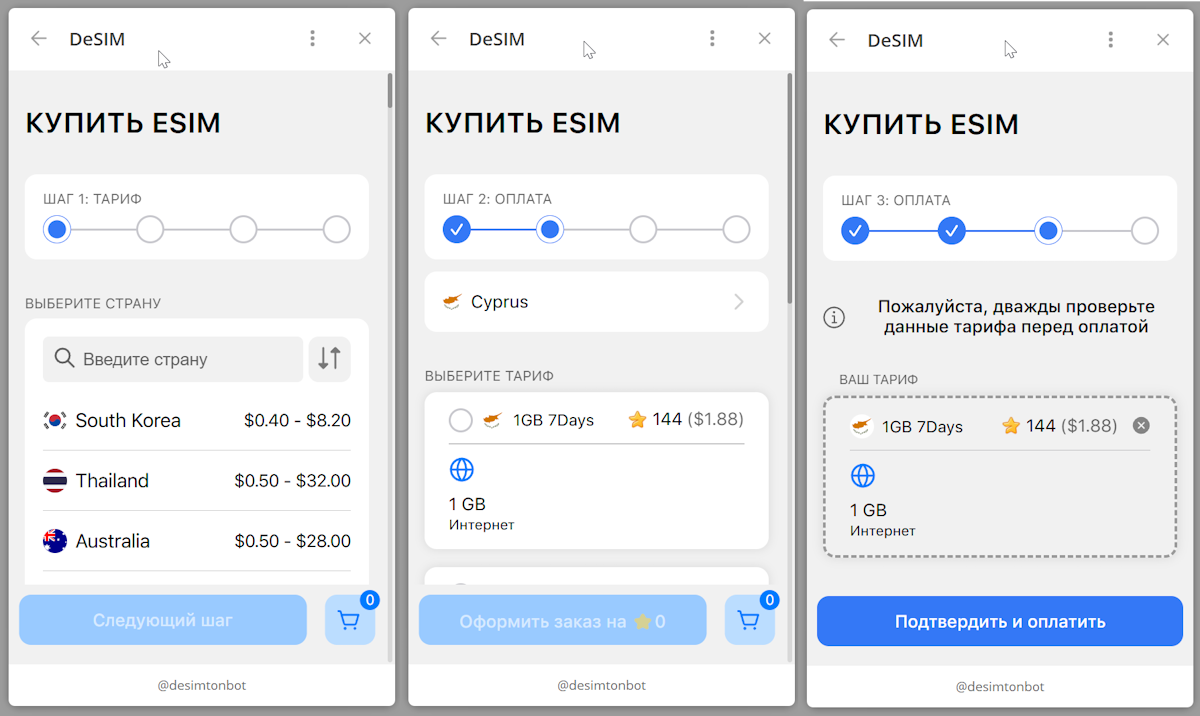
Your first eSIM profile setup begins by scanning the QR code from your carrier’s confirmation email. Open your phone’s Settings, tap “Cellular” or “Mobile Data,” then select “Add eSIM.” Scan the provided QR code; your device will automatically download and install the profile. For manual entry, select “Enter Details” and input the SM-DP+ address and activation code exactly as shown. After a brief activation, label your new profile (e.g., “Travel Data”) to distinguish it from your primary line. Finally, set your default data line to the new eSIM. This ensures immediate connectivity without physical card swaps.
Scanning a QR Code from Your Carrier
Scanning a QR Code from Your Carrier is the most common method to install an eSIM. Begin by navigating to your device’s cellular settings and selecting “Add Cellular Plan.” Your carrier will have provided the QR code via email, their app, or on a physical card. Use your phone’s camera to frame the entire code in the on-screen square. Once scanned, the profile will download automatically. Confirm any prompts to activate the line immediately. If the scan fails, adjust lighting or distance, or manually enter the activation details printed below the code instead.
Manual Entry of Activation Details
For an eSIM card, manually entering activation details provides direct https://baztel.co/esim-plans/esim-japan control when automatic scanning fails. Start by locating the manual entry activation details, typically a paired SM-DP+ address and confirmation code provided by your carrier. On your device, navigate to your eSIM settings, often under “Cellular” or “Mobile Data,” and select “Add Cellular Plan” then “Enter Details Manually.” Carefully type the SM-DP+ address. Next, input the carrier-specific activation code. Finally, confirm and label the new line. If prompted, use your phone’s camera to scan a QR code if available, otherwise finalize the manual setup.

- Access carrier-provided SM-DP+ address and activation code.
- Navigate to “Add Cellular Plan” > “Enter Details Manually.”
- Paste or type the SM-DP+ address, then enter the activation code.
- Confirm the profile and save it as your primary or secondary line.
Switching Between Profiles Without Rebooting
Switching between eSIM profiles no longer forces a device restart, saving you time during travel or daily work. Once your first profile is active, you can instantly toggle profiles through the device’s cellular settings menu. Simply open your network settings, select your second eSIM line, and mark it as active—your first profile remains stored but inactive until needed. For seamless transitions:
- Navigate to “Mobile Data” or “Cellular Plans” in settings.
- Tap the second profile and enable it as your primary line.
- Confirm the switch—network registration completes in seconds without a reboot.
This allows you to juggle work and personal numbers or local data plans without interruption.
Comparing Costs: Physical SIM Cards vs. Digital Alternatives
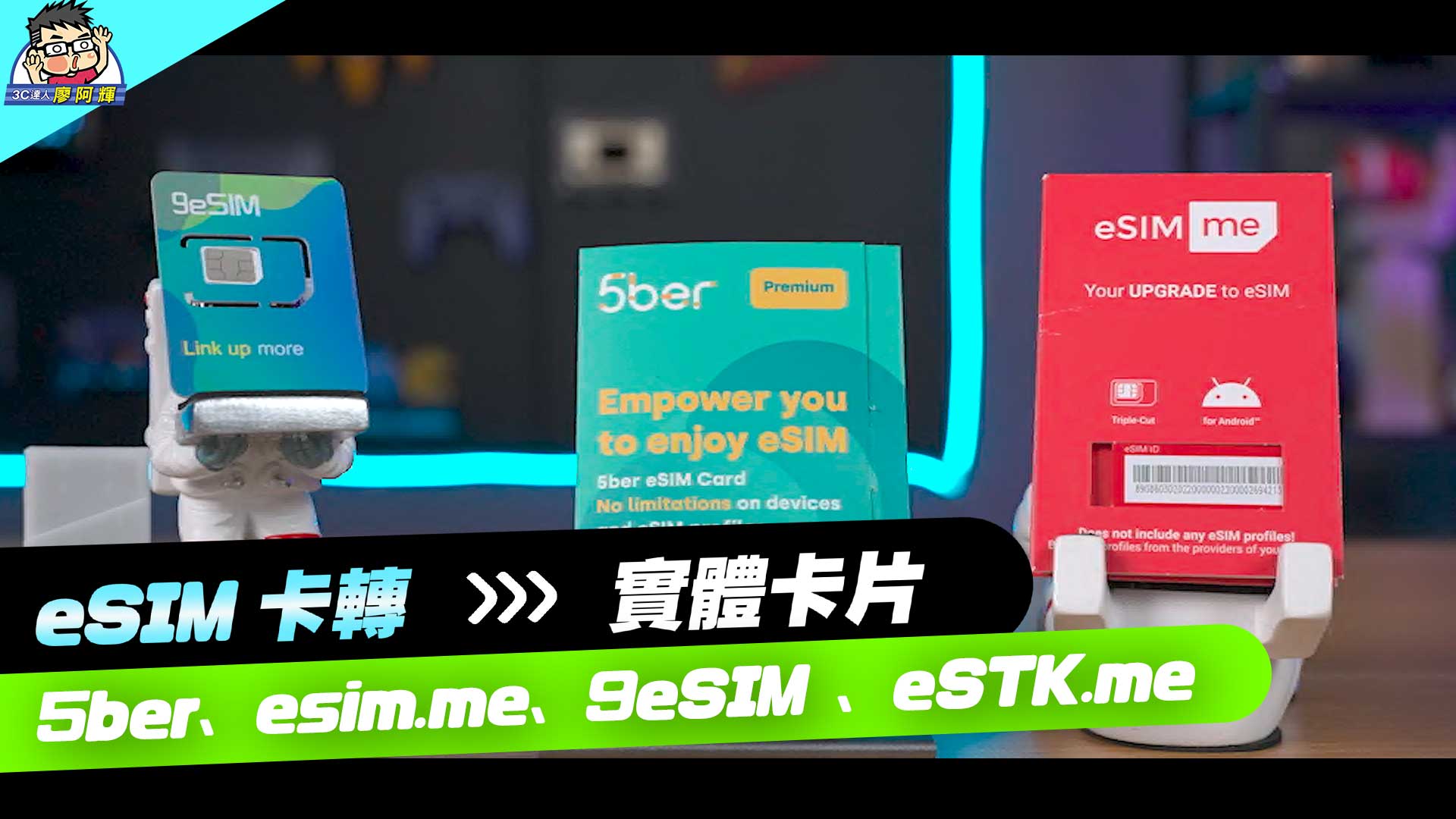
The upfront cost of a physical SIM—often zero with a carrier plan—starts to climb when you factor in shipping fees or airport kiosk markups for international travel. In contrast, an eSIM card eliminates that plastic and logistics cost entirely, usually priced at the same or slightly lower for a data package. I remember scrambling for a local SIM in a foreign train station, paying triple the online rate; with eSIM, I clicked “buy” in my hotel lobby for half that.
The real savings surface when you switch destinations: a physical SIM requires a new purchase each time, while an eSIM lets you reload or swap profiles for a few dollars per gigabyte, avoiding the waste of unused physical stock.
That digital efficiency means your money goes toward data, not packaging or retail margins.
Upfront Hardware Savings from Skipping Plastic
Ditching the plastic SIM eliminates the immediate hardware cost typically baked into a new plan or phone purchase. Instead of paying a separate fee for a physical card and its shipping, you activate savings from digital provisioning instantly within your device settings. This upfront reduction means your initial outlay drops by the typical $5–$10 carrier charge for a plastic SIM. Money that would have gone toward a tangible piece of plastic stays in your pocket from the very first step of activation.
By skipping the physical SIM card, you save the direct hardware cost of the plastic and its shipping, lowering your initial expense immediately.
Daily, Weekly, and Monthly Data Plan Pricing
For travelers, daily, weekly, and monthly data plan pricing reveals a stark cost difference between physical SIMs and eSIMs. Physical SIMs often lock users into rigid weekly or monthly cycles with fixed prices, while eSIM providers typically offer granular daily passes at lower upfront cost. A daily plan might cost $3–$5, a weekly plan $10–$18, and a monthly plan $25–$40, depending on region. Physical SIM weekly plans, however, frequently start at $15. How does the daily rate of an eSIM plan compare to a physical SIM’s daily pro-rated cost? eSIM daily rates are usually cheaper because you pay only for active days, not an entire cycle.
Hidden Fees and Activation Charges to Watch For
When comparing physical SIMs to eSIMs, hidden activation fees often lurk in digital plans. Many eSIM providers charge a one-time “connection fee” not shown upfront, sometimes $3–$10 per profile. Watch for “convenience fees” added at checkout or recurring “network access charges” disguised as taxes. Providers may also automatically delete your eSIM after 30 days of inactivity, forcing a repurchase at full price. Conversely, physical SIMs usually have a flat, visible activation cost at point of sale. Always review the total price breakdown before purchase; an advertised $10 plan can become $15 suddenly.
Always scrutinize the final checkout total for eSIM-specific fees like activation, connectivity, or inactivity-reactivation charges.
Security Advantages of a Programmable Mobile Identity
The moment your eSIM is remotely deactivated after a device theft, you grasp the core security advantage of a programmable mobile identity—your line becomes a live, untouchable asset, not a fixed plastic card. Because the eSIM rewrites credentials in secure hardware, cloning your identity requires physical access to your device’s chip, making remote SIM-swap attacks obsolete. Your subscription is a programmable payload, not a static file; it can be instantly wiped or re-provisioned if a phishing link tries to siphon your number. Q: How does a programmable mobile identity prevent SIM swapping? A: By storing credentials in tamper-resistant eUICC firmware that no remote attacker can duplicate or extract. This turns your carrier profile into a reactive shield, not a passive data entry.
Remote Locking and Wiping of Stolen Profiles
Remote locking and wiping of stolen profiles is a decisive security advantage of a programmable eSIM. If a device is compromised, the user can instantly deactivate the digital profile, severing network access and preventing fraudulent usage. This action renders the stolen mobile identity worthless to a thief. The remote wipe function then erases profile data from the device, ensuring stored credentials cannot be extracted or cloned. This capability provides granular control, allowing isolation of a single profile while keeping other profiles on the same device operational. It eliminates the traditional risk of permanent SIM card misuse.
- Immediate profile deactivation blocks all cellular data, voice, and SMS on the stolen device.
- Remote erasure of profile cryptographic keys prevents cloning or re-downloading to another handset.
- Selective remote wiping of stolen profiles protects other active profiles on the same eSIM.
- Reissuance of a fresh profile reinstates service without requiring a physical SIM replacement.
Why Tamper-Resistant Chips Reduce Fraud
Tamper-resistant chips in eSIMs reduce fraud by physically isolating cryptographic keys and mobile identity credentials from the device’s main operating system. This hardware-based security prevents malware or remote exploits from cloning or altering the embedded subscriber identity. A clear protective sequence occurs: first, the chip authenticates the network using a digitally signed challenge-response; second, it decrypts only within its secure enclave; third, it erases temporary session data after each use. Even physical extraction of the chip yields no usable credential, as its memory self-destructs upon intrusion. Consequently, unauthorized SIM swapping and identity replay become infeasible at the hardware level.
Encrypted Data Transfer Across Networks
When you switch networks using an eSIM, encrypted data transfer across networks keeps your personal info safe during the handshake. Every time your device requests a new profile, the communication tunnel is scrambled before it leaves your phone. This means your account details, activation codes, and carrier credentials are unreadable to anyone snooping on the Wi-Fi or cellular path. Even if the network itself isn’t secure, the eSIM’s encryption ensures your identity stays private while the data hops between towers. It’s like a secret envelope for your connection requests.
Common Issues and Troubleshooting Tips
Common eSIM issues often stem from network settings not refreshing after activation. If your eSIM isn’t working, first toggle Airplane Mode on and off to force a reconnection to the carrier. A frequent cause of failure is an incomplete profile download; always delete a faulty eSIM before attempting a new installation to avoid conflicting profiles. For persistent “No Service” errors, manually select your carrier under Mobile Network settings, as auto-selection often fails. Restarting the device is the most effective first step before any other troubleshooting. *Yet, a surprisingly common oversight is forgetting that phone factory resets erase all eSIM profiles, requiring a fresh QR code re-download from your provider.* If data is slow after activation, verify your APN settings match your carrier’s exact specifications, as incorrect entries throttle performance. Always keep a screenshot of your activation QR code in a secure, offline location for quick recovery.
Profile Not Downloading After QR Scan
If your eSIM profile isn’t downloading after scanning the QR code, first ensure a stable Wi‑Fi or cellular data connection, as a weak signal is a common cause. Verify you haven’t already activated the profile on another device, as most carriers limit to one installation. Try manually entering the SM‑DP+ address and activation code from the QR details. Restarting your device can clear temporary glitches. For persistent failures, check your device’s carrier settings update or contact your provider to resend the eSIM activation code.
No Signal After Switching Carriers
After switching carriers with an eSIM, a “No Signal” error often means the new network profile hasn’t fully activated. First, ensure your device is connected to Wi-Fi, then manually trigger activation by going to Settings > Cellular > Add Cellular Plan and scanning the new QR code or entering the activation code. If the signal remains absent, delete the old eSIM profile to prevent profile conflicts, and restart your phone. For persistent failures, manually select the new carrier under Network Selection to force a connection. This step bypasses automatic provisioning glitches common after switching.
After switching carriers, “No Signal” typically requires re-scanning the eSIM activation details and manually selecting the new network.
Battery Drain Concerns and How to Mitigate
A primary concern with eSIM adoption is increased battery drain, as the device must constantly manage both the physical SIM and the integrated eSIM profile. To mitigate this, first disable the eSIM line when traveling in areas with weak signal, as constant searching drastically consumes power. Optimize network scanning settings by locking your device to a single network mode (e.g., LTE only) rather than allowing it to endlessly scan for 5G. Background app refresh should also be restricted for apps using the secondary eSIM data line. For a clear sequence:
- Manually toggle off the eSIM line not in use via cellular settings.
- Switch network selection from “Automatic” to “Manual” and choose a preferred carrier.
- Disable “Wi-Fi Calling” on the eSIM line if not needed, as it maintains a constant connection.
Business Applications for Remote Workforce Connectivity
For distributed workforces, eSIM cards provide immediate, secure connectivity across multiple carriers without physical logistics. Teams deployed in field operations or temporary sites can activate local data plans remotely, ensuring seamless access to corporate VPNs and cloud-based tools. This eliminates the friction of sourcing, shipping, and swapping physical SIMs, which is critical for agile project teams. eSIM management platforms allow IT to centrally provision profiles, apply security policies, and enforce roaming restrictions for all devices. A single dashboard can activate connectivity for a new hire in minutes, regardless of their location, reducing downtime and IT support overhead. This capability transforms temporary site setups, like pop-up offices or construction hubs, where traditional carrier agreements would introduce costly delays. Ultimately, eSIMs enable a truly portable, always-on work environment, making geographic expansion and remote team coordination significantly more scalable and responsive than traditional SIM management allows.
Managing Fleet of Company Devices Over the Air
Managing a fleet of company devices over the air becomes seamless with eSIM technology, eliminating the need for physical SIM swaps across distributed teams. You can remotely provision new cellular plans, instantly switch carriers, and enforce network policies on company-issued laptops or tablets regardless of location. This allows IT administrators to activate or deactivate connectivity on lost devices or reassign unused data quotas within minutes. Troubleshooting connectivity issues or updating roaming profiles is handled via a centralized dashboard, reducing downtime and manual logistics for field workers.
eSIM transforms fleet management into a remote, centralized operation, enabling instant provisioning, carrier switching, and policy enforcement without physical access to devices.
Separate Work and Personal Lines on One Handset
An eSIM enables a single handset to host two distinct cellular lines—one for work, one for personal—without a physical second SIM. This separation allows employees to toggle between profiles for calls and data, ensuring professional communications remain isolated from private activity on one device. Work and personal line separation on one handset eliminates the need for dual devices, while each line maintains its own number, voicemail, and messaging apps. Switching between profiles is handled via the device’s settings, requiring no manual SIM swaps. Q: Can I maintain separate contact lists for each line? A: Yes, each eSIM profile operates independently, so work contacts, calendars, and apps stay siloed from personal ones within the same OS.
Cost-Effective Global Data for Remote Employees
For remote employees, an eSIM eliminates expensive roaming by enabling instant, localized data plan purchases. This allows a distributed team to pay competitive local rates in each country rather than a single, costly international package. Cost-effective global data for remote employees is achieved by switching carriers per trip via app, avoiding hardware shipping fees. A member in France can buy a short-term French plan while a colleague in Japan selects a different, cheaper Japanese provider within minutes. This granular control prevents budget overruns from unused data.
Q: How does an eSIM reduce costs for a remote employee traveling to multiple countries? A: It allows purchasing a single regional plan covering several nations, often cheaper than per-country roaming, or swapping to the cheapest local provider at each border.
Future Trends in Carrier-Independent Connectivity
The future of carrier-independent connectivity through eSIM is evolving toward dynamic multi-network orchestration, where your device will automatically switch between the strongest local carrier profiles based on real-time signal quality, latency, and cost thresholds. This shift will allow you to pre-load a “bundle” of virtual SIMs from neutral aggregators rather than signing single contracts. The key nuance is that your eSIM’s silicon will handle this fallback logic locally, preventing the device from needing to contact a central server during handover. Expect to see user-configurable rules, such as prioritizing low-bandwidth carriers for messaging while reserving premium ones for video calls. This practical freedom means you can travel globally or switch residential providers without ever visiting a store or waiting for a physical card to arrive.
Embedded Chips in IoT Sensors and Vehicles
Embedded chips, particularly eSIMs, are hardwired into IoT sensors and vehicles at the factory, eliminating the physical SIM slot for a direct cellular link. A farmer’s moisture sensor deep in a field or a fleet’s engine control unit no longer needs manual provisioning. This embedded design allows the chip to dynamically switch carrier profiles remotely, so a delivery truck crossing borders instantly selects and authenticates with a local network without driver action. You can update connectivity for a parked car or a pipeline sensor from a dashboard, not a repair bay. This permanence ensures IoT deployments are rugged, sealed against elements, and prepared for autonomous operation.
| IoT Sensors | Vehicles |
|---|---|
| Soldered for long-term, low-power telemetry in industrial equipment or agriculture. | Integrated into telematics units for continuous over-the-air profile updates during transit. |
| Profile swaps happen remotely as sensors move between network zones. | Carrier switching triggered automatically by geolocation or roaming agreements. |
Integration with Satellite Networks for Rural Coverage
The integration of eSIM technology with satellite networks is fundamentally shifting rural coverage from a theoretical aspiration to a practical reality. By embedding satellite connectivity profiles directly onto an eSIM, a user’s device can seamlessly hand off from a terrestrial tower to a low-earth-orbit satellite when cell signal drops. This eliminates the need for proprietary hardware or bulky antennas, as the eSIM acts as the single authentication key for both network types. The result is continuous data and voice access in remote farms, mountainous regions, or offshore zones, made possible through a single, downloadable profile on a standard smartphone. This approach establishes a truly unified satellite-terrestrial connection, ensuring users no longer face dead zones during overland travel or agricultural operations.
Potential for On-Demand Temporary Plans
The potential for on-demand temporary plans transforms eSIM use by enabling instant, purpose-specific connectivity. Travelers can purchase a 24-hour data pass for a layover or a week-long plan for a business trip, activating it directly from a smartphone app without visiting a store. This flexibility allows users to switch between multiple temporary profiles on a single device, avoiding long-term commitments. For example, a user might add a high-speed temporary plan for streaming abroad while keeping their home number active.
- Activate a short-term plan for a single event or weekend trip.
- Stack multiple temporary plans for overlapping trips or backup needs.
- Top up a temporary plan instantly for extra data, then let it expire.
What Exactly Is an Embedded SIM and How Does It Work?
The Core Difference Between a Physical SIM and a Digital Profile
How the Remote Provisioning Process Activates Your Line
Which Devices Currently Support This Built-In Technology
Key Benefits You Get When You Switch to a Digital SIM
Instant Connectivity Without Waiting for a Plastic Card